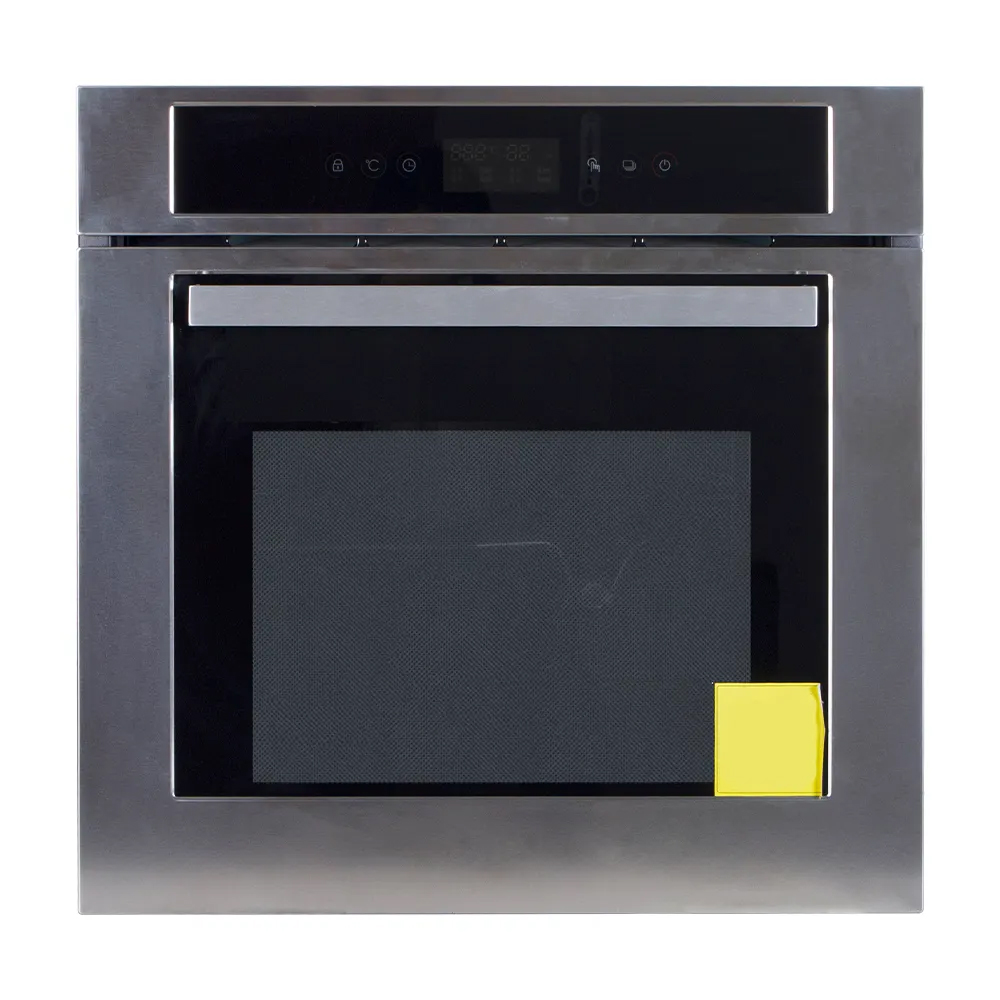
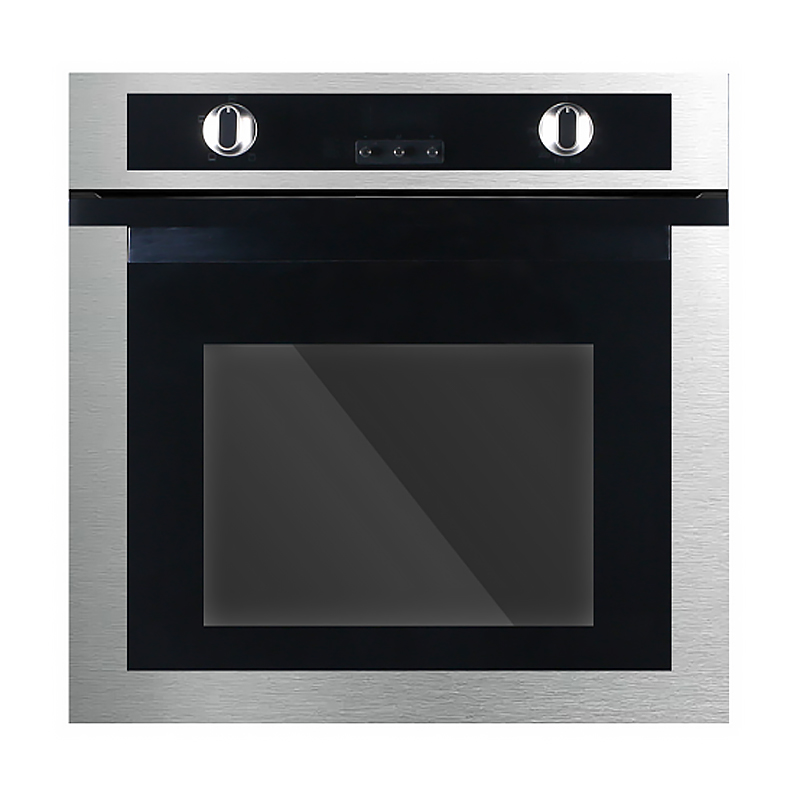
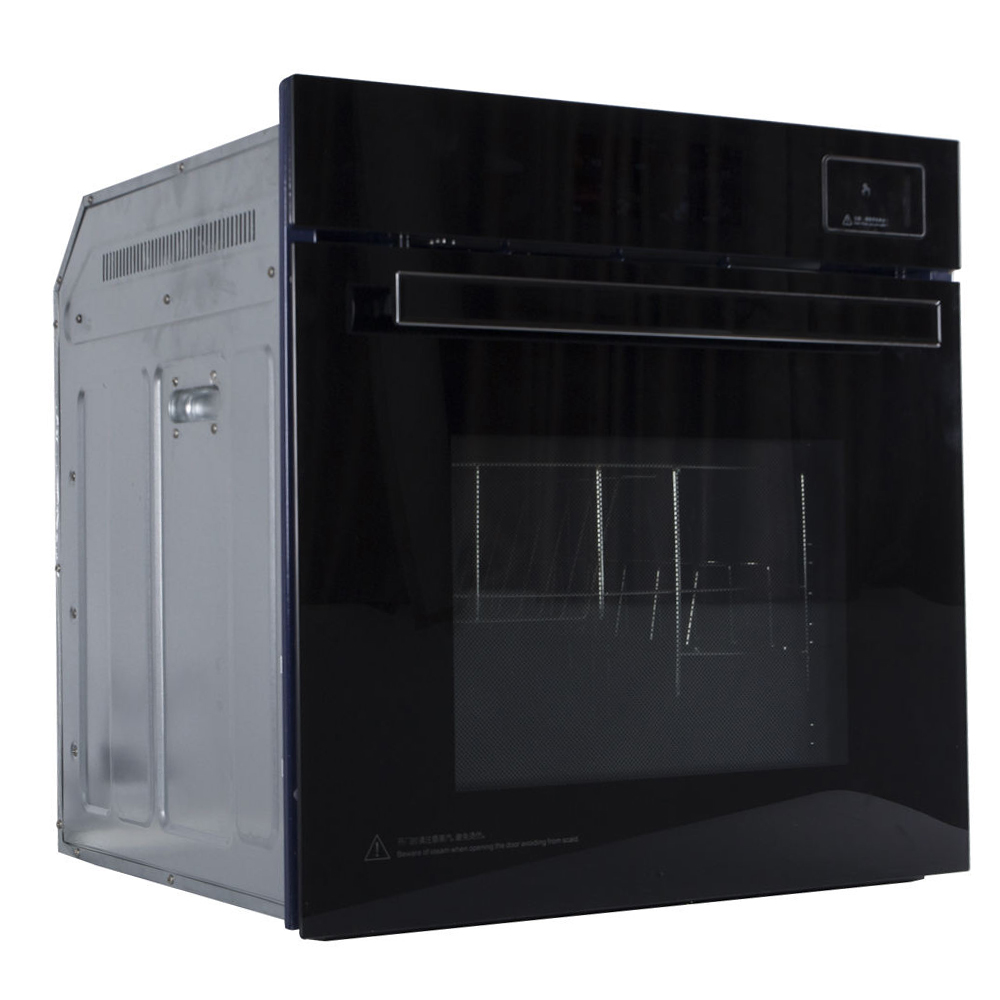
The must-have features in a modern electric oven are convection cooking, precise digital temperature control, a self-cleaning function, multiple cooking modes, a reliable built-in timer, and energy efficiency certification — together these features determine how consistently, safely, and economically the oven performs across every meal, every day.
The electric oven market has expanded dramatically over the past decade. What was once a simple heated box with a dial and a door has evolved into a precision cooking appliance with digital interfaces, sensor-driven programs, and connectivity features. According to industry analysts, the global electric oven market was valued at over $14.2 billion in 2023 and is projected to grow at a CAGR of 5.8% through 2030 — driven primarily by consumer demand for smarter, more efficient kitchen appliances.
Yet not every feature on a spec sheet delivers real value in the kitchen. This guide breaks down which features genuinely improve cooking outcomes and everyday usability, which are optional extras worth considering, and which are largely marketing additions — backed by specific performance data and practical context.
Why Convection Is the Single Most Important Feature in a Modern Electric Oven
Convection heating is the feature that most significantly improves cooking results in a modern electric oven — it reduces cooking time by up to 25% and produces more even browning and crisping than conventional radiant heat alone.
A conventional electric oven heats by radiating energy from elements at the top and bottom of the cavity. Hot air rises, cooler air sinks, and the result is a temperature gradient — the top rack runs hotter than the bottom, often by 15–25°C (27–45°F). This is why cookies baked on the top shelf brown faster than those on the middle shelf, and roasts develop an uneven crust.
A convection electric oven adds a fan — and in true convection models, a dedicated third heating element surrounding that fan — which circulates hot air continuously throughout the cavity. This circulation eliminates the temperature gradient, keeps the air temperature consistent within 3–5°C (5–9°F) across all rack positions, and continuously removes the thin layer of cooler air that naturally forms around food surfaces.
Convection vs. True Convection vs. Conventional: What the Difference Means for Your Cooking
| Heating Mode | How It Works | Temperature Evenness | Speed vs. Conventional | Best For |
| Conventional | Top and bottom radiant elements | Poor (15–25°C variance) | Baseline | Slow-rise breads, custards |
| Fan-assisted (European convection) | Radiant elements plus fan, no third element | Good (8–12°C variance) | 10–15% faster | Most everyday baking and roasting |
| True convection (third element) | Dedicated fan element circulates truly even heat | Excellent (3–5°C variance) | 20–25% faster | Multi-rack baking, roasting, dehydrating |
Table 1: Comparison of heating modes in electric ovens by evenness, speed, and ideal use cases
For most home cooks, true convection is worth the modest premium — typically $50–$150 over an equivalent fan-assisted model — because the ability to bake multiple trays simultaneously without rotating them, and to roast meat that browns evenly on all sides, fundamentally changes what the oven can do in a realistic home cooking context.
Digital Temperature Control and Precision: Why Accuracy Matters More Than Range
Precise digital temperature control is the second most critical feature in a modern electric oven — the difference between an oven that maintains 180°C within plus or minus 5°C and one that swings plus or minus 25°C is the difference between consistently successful baking and chronic guesswork.
Many budget electric ovens advertise a temperature range of 50–250°C but use thermostat technology that allows temperature to cycle widely between the setpoint — the element switches off when the target is reached and back on only when the cavity has cooled significantly below it. Independent testing of entry-level ovens has found actual temperature swings of 20–30°C above and below the set temperature in a single baking cycle.
Premium modern electric ovens use PID (Proportional-Integral-Derivative) control systems or similar adaptive algorithms that modulate element power continuously, keeping the cavity within a much tighter band. This precision matters most for:
- Pastry and delicate baked goods: Croissants, choux pastry, and soufflés are highly sensitive to temperature swings — a 15°C overshoot collapses structure or produces premature browning.
- Meat cookery: Roasting at precisely 160°C vs. cycling between 140°C and 180°C produces meaningfully different results in moisture retention and carryover cooking.
- Low-temperature cooking: Slow-roasting at 90–120°C requires stable heat that cheap thermostats simply cannot maintain.
When evaluating an electric oven, look for models that specify temperature accuracy in their technical documentation — a stated accuracy of plus or minus 5°C is good; plus or minus 10°C is acceptable; anything larger is a warning sign for serious cooking.
Self-Cleaning Functions: Pyrolytic vs. Catalytic vs. Steam
A self-cleaning electric oven saves significant time and effort — pyrolytic self-cleaning, the most effective method, reduces food residue to fine ash at temperatures above 450°C that can simply be wiped away, eliminating the need for chemical oven cleaners entirely.
There are three distinct self-cleaning technologies, and understanding their differences is essential before purchasing any modern electric oven:
| Self-Clean Method | Temperature Used | Cycle Duration | Cleaning Effectiveness | Energy Use per Cycle |
| Pyrolytic | 450–500°C | 2–3.5 hours | Excellent — reduces to ash | 3.5–6 kWh |
| Catalytic | 220–250°C (during cooking) | Continuous (passive) | Moderate — absorbs splatter | No extra energy |
| Steam clean | 90–100°C | 20–30 minutes | Light — loosens fresh soiling | 0.5–1 kWh |
Table 2: Comparison of self-cleaning methods in modern electric ovens by temperature, duration, effectiveness, and energy cost
For households that roast meat or cook with oil regularly, pyrolytic self-cleaning is worth the additional upfront cost (typically $100–$200 more than catalytic models). For lighter cooking patterns, catalytic liners paired with occasional steam cleaning offer a practical, lower-cost alternative. Steam-only cleaning should be considered a supplementary feature, not a primary cleaning solution.
Multiple Cooking Modes: What Every Modern Electric Oven Should Offer
A modern electric oven should offer at minimum six distinct cooking modes — conventional bake, convection bake, grill (broil), convection grill, bottom heat only, and defrost — because each mode uses the heating elements and fan in a different combination optimized for a specific cooking outcome.
- Conventional bake (top and bottom heat): The baseline mode. Best for single-rack baking where moisture retention and gentle top browning are desired — casseroles, fruit cakes, and egg dishes.
- Convection bake: Fan circulates heat from all elements. Reduces baking time by 10–25% and enables multi-rack cooking. The workhorse mode for most everyday baking.
- Grill / broil (top element only): Intense direct radiant heat from the top element. Essential for grilling meat, browning cheese gratins, and caramelizing sugar on crème brûlée.
- Convection grill: Combines fan circulation with the grill element. Ideal for cooking thicker items like chicken pieces or sausages that need heat penetration as well as surface browning — reduces the hot-spot effect of direct grill alone.
- Bottom heat only: Activates only the base element. Used to crisp pizza bases, finish pastry shells without over-browning the top, and prove bread dough at low temperatures.
- Defrost: Fan circulates room-temperature or very slightly warmed air without activating heating elements. Defrosts food evenly without beginning to cook the outer layers — significantly better than microwave defrosting for large cuts of meat.
Additional modes found on premium electric ovens that offer genuine practical value include:
- Steam injection: Injects a burst of steam at the start of bread baking to create a crisp, well-developed crust — previously only available in professional bakery ovens.
- Rapid preheat: Activates all elements simultaneously to reach target temperature in 6–8 minutes rather than the 12–18 minutes of a standard preheat cycle.
- Keep warm (50–80°C): Holds cooked food at serving temperature without continuing to cook it — invaluable when coordinating multiple dishes for a meal.
- Dehydrate (40–70°C): Uses the fan at very low temperatures to dry herbs, fruits, jerky, and vegetables — a feature that would otherwise require a dedicated appliance.
Energy Efficiency in Electric Ovens: What the Ratings Actually Mean
Energy efficiency in a modern electric oven directly affects your electricity bill — an A-rated electric oven uses approximately 20–40% less energy per cycle than a D-rated model of equivalent capacity, which translates to a saving of $30–$60 per year for an average household cooking five times per week.
In the European Union and many markets worldwide, electric ovens are rated on an energy efficiency scale from A (most efficient) to G (least efficient) under the 2021 revised energy label framework. Key factors that determine efficiency include:
- Cavity insulation thickness: Better-insulated cavities retain heat more effectively, requiring the elements to cycle less frequently to maintain temperature. Premium ovens use mineral wool insulation 40–60 mm thick; budget models may use 20–30 mm.
- Door glass layers: Triple-glazed oven doors reduce heat loss through the door by up to 50% compared with single-glazed panels. They also keep the exterior door surface cooler — a meaningful safety benefit in households with children.
- Cavity volume: A smaller cavity requires less energy to heat than a large one. Where a full 70-litre oven is unnecessary, a 60-litre model saves energy without sacrificing most practical cooking capacity.
- Rapid preheat technology: Ovens that reach cooking temperature faster waste less energy during the preheat phase — accounting for up to 15% of total cooking energy in short baking sessions.
| EU Energy Rating | Typical Annual Energy Use | Annual Cost (at $0.25/kWh) | Key Efficiency Features |
| A | 55–75 kWh/year | $14–$19 | Triple glass, thick insulation, rapid preheat |
| C | 85–105 kWh/year | $21–$26 | Double glass, standard insulation |
| E–G | 110–150 kWh/year | $28–$38 | Single or double glass, minimal insulation |
Table 3: EU energy rating comparison for electric ovens showing annual energy consumption and estimated running cost
Built-In Timer and Programmable Cooking Controls
A programmable timer is one of the most practically useful features in a modern electric oven — the ability to set a start time, cooking duration, and automatic shutoff means food can be placed in the oven before leaving the house and be ready when you return, without overcooking.
Modern electronic timers on quality electric ovens offer three distinct timer functions:
- Minute minder: A simple countdown alarm that alerts when time is up but does not control the oven. Basic and universal.
- Cook time (duration control): The oven turns off automatically after the set cooking duration — even if you are not present. Prevents overcooking and is an energy-saving feature.
- End time (delayed start): The oven calculates the start time needed to finish cooking by a set end time. Food is placed in the oven cold, and the oven starts automatically — practical for slow-roasted dishes where food safety is not a concern (note: not suitable for raw poultry or fish in a warm kitchen).
The best modern timers are integrated into a digital touch display rather than a mechanical dial — digital timers allow precise minute-level programming without the imprecision of analog knobs, and they retain settings during power interruptions on models with non-volatile memory.
Cavity Size, Rack Configuration, and Interior Design
Cavity size is one of the most important but frequently misunderstood specifications in a modern electric oven — the usable volume depends not just on the rated litreage but on the number of rack positions, the interior dimensions, and the distance between shelves.
- 45–55 litres: Suitable for individuals and couples. Fits a 2–3 kg roasting dish but cannot accommodate a large roasting pan or multiple full-size baking trays simultaneously.
- 60–70 litres: The standard for family cooking. Accommodates a full-size turkey or roasting joint, two full baking trays side by side, or three trays on separate racks in convection mode.
- 70–90 litres: Large-capacity models aimed at households that regularly cook in volume — large families, home entertainers, and home bakers who work with multiple loaves or cake layers simultaneously.
Interior features that meaningfully improve usability include:
- Telescopic or glide-out shelf runners: Allow shelves to be pulled fully out of the oven without tipping — critical for safely basting heavy roasting pans and removing dishes from upper shelves without burning arms on the door or the element above.
- Enamel or easy-clean interior coating: Enamel interiors resist food staining and clean more easily than uncoated steel. Matte smooth enamel finishes clean better than textured surfaces that trap carbonized residue.
- Interior lighting: Full LED interior lighting (rather than a single incandescent bulb at the rear) illuminates the entire cavity evenly, making it possible to monitor food through the door without opening it and losing heat.
Smart Connectivity: Useful Feature or Marketing Gimmick?
Wi-Fi and app connectivity in modern electric ovens deliver genuine value in specific, limited use cases — primarily remote monitoring, delayed start confirmation, and integration with smart home systems — but should not be a primary purchasing criterion for most home cooks.
The features that smart connectivity actually enables in a smart electric oven include:
- Remote start and shutoff: Start or stop the oven from a smartphone — useful when you have placed food inside but left the house, or want to preheat while en route home.
- Cooking notifications: Push alerts when preheat is complete, when cooking time ends, or when an internal probe reaches target temperature.
- Guided cooking programs: Some models connect to recipe databases that automatically set temperature, mode, and duration based on the dish selected in the app.
- Usage tracking and diagnostics: Smart ovens can log usage patterns and send maintenance alerts — useful for identifying element degradation before it affects cooking performance.
The honest caveat: smart features add $100–$300 to the purchase price of an equivalent non-connected model, and their value depends entirely on how consistently they are used. If remote monitoring would genuinely improve your cooking workflow, the premium is justified. If not, the money is better invested in better convection hardware, pyrolytic cleaning, or a more accurate thermostat.
Must-Have vs. Nice-to-Have vs. Skip: Prioritizing Features by Value
Not every premium feature in a modern electric oven is worth its price premium for every buyer. The table below ranks features by practical value for three distinct buyer profiles.
| Feature | Everyday Cook | Home Baker | Busy Family |
| True convection | Must-have | Must-have | Must-have |
| Digital temperature control | Must-have | Must-have | Must-have |
| Pyrolytic self-clean | Nice-to-have | Nice-to-have | Must-have |
| Programmable timer | Must-have | Must-have | Must-have |
| Telescopic shelf runners | Nice-to-have | Must-have | Nice-to-have |
| Steam injection | Skip | Must-have | Skip |
| Wi-Fi connectivity | Skip | Nice-to-have | Nice-to-have |
| Energy rating A | Nice-to-have | Nice-to-have | Must-have |
Table 4: Feature priority guide for modern electric ovens by buyer profile — everyday cook, home baker, and busy family
Frequently Asked Questions About Modern Electric Ovens
How long should a modern electric oven last?
A well-maintained electric oven from a reputable manufacturer should last 12 to 18 years with normal household use. The components most likely to require replacement before the oven reaches end of life are the bake element (average replacement around year 8–12), the door seal (every 5–8 years depending on use frequency), and the interior light bulb or LED. Pyrolytic self-cleaning, used no more than three to four times per year, does not meaningfully shorten oven lifespan.
Is a fan-assisted electric oven the same as a convection oven?
Not exactly. In European terminology, a fan-assisted oven uses the existing top and bottom heating elements plus a fan to circulate the heat. A true convection oven (also called "fan oven with ring element" in some markets) has a dedicated third heating element encircling the fan, which heats the circulated air independently of the top and bottom elements. True convection produces more even results, particularly on multiple racks simultaneously, and is the preferred specification for serious baking.
Should I reduce temperature when using the convection setting?
Yes. As a general guideline, reduce the recipe temperature by 15–20°C (25–35°F) when switching from conventional to convection mode, and begin checking for doneness 5–10 minutes earlier than the recipe states. This accounts for the faster, more efficient heat transfer of circulated air. Most modern electric ovens with auto-conversion features will apply this adjustment automatically when you select convection mode after entering a temperature.
How often should I run the pyrolytic self-clean cycle?
For a household cooking five or more times per week with roasting or high-splatter cooking, running the pyrolytic clean every 2–3 months is reasonable. For lighter use, every 4–6 months is sufficient. Avoid running the pyrolytic cycle more than once per month — the extreme heat (450–500°C) stresses door seals and internal components. Remove all accessories (racks, shelf runners, baking trays) before starting a pyrolytic cycle, as most are not rated for those temperatures.
What cavity size do I need for a family of four?
For a family of four cooking daily, a 60–70 litre electric oven is the practical sweet spot. This capacity accommodates a 3–4 kg roasting joint, a full-size baking tray, or two medium trays side by side on separate racks. A 60-litre oven is also meaningfully more energy-efficient than a 70-litre model for smaller loads, as the smaller cavity reaches temperature faster and retains it with less cycling.
Are double ovens worth buying over a single electric oven?
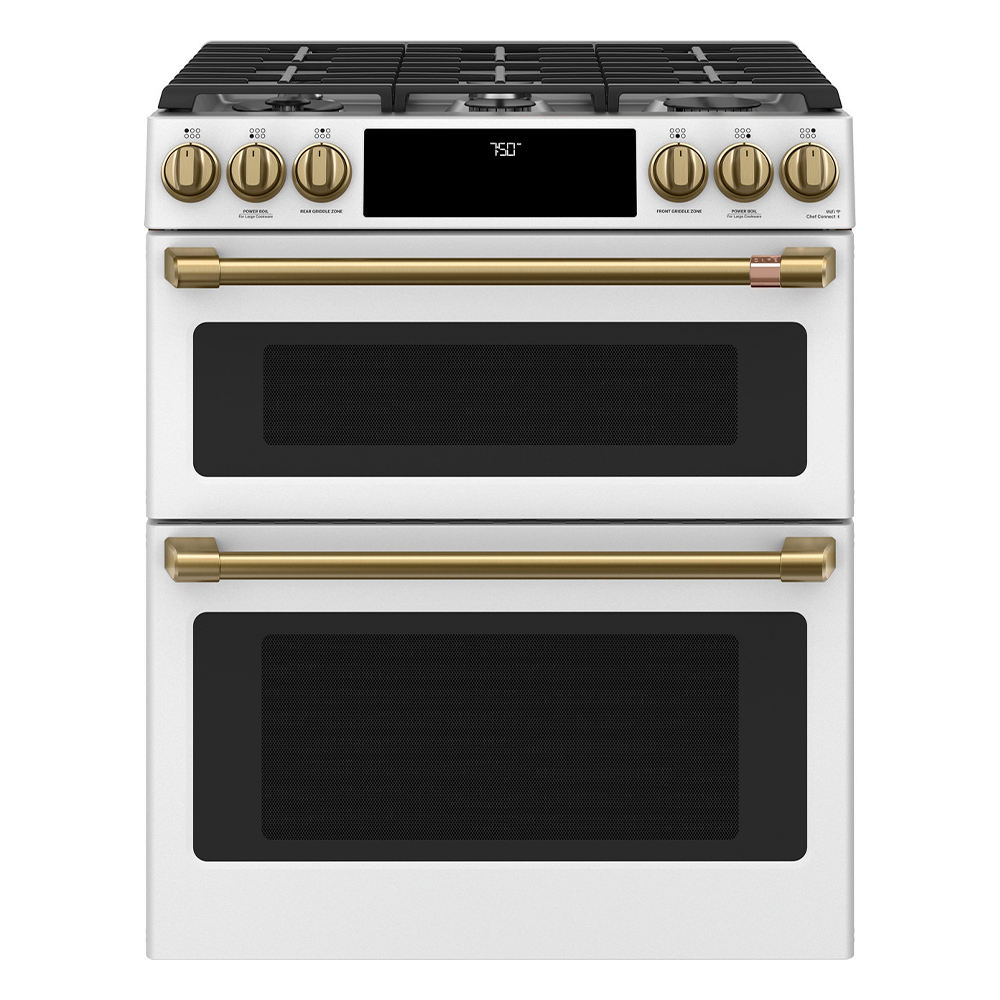
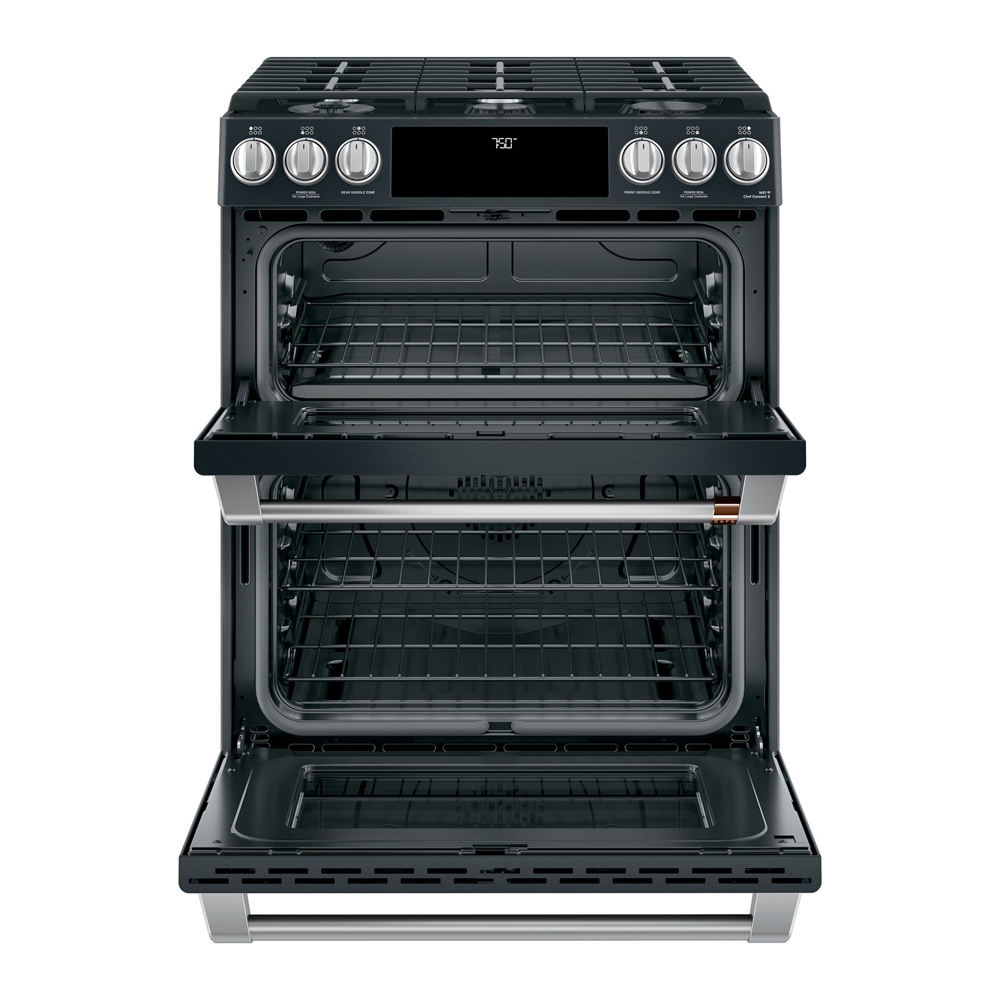
A double electric oven is worth the additional cost — typically $200–$500 more than a comparable single oven — if you regularly cook multiple dishes at different temperatures simultaneously. The upper cavity in most double ovens is smaller (25–35 litres) and heats faster, making it ideal for grilling, reheating, or baking small items, while the main lower cavity handles the primary dish. For households that rarely cook multiple dishes simultaneously, a single large-capacity oven with a keep-warm function is more practical and more energy-efficient.
The most important principle when evaluating a modern electric oven is to match features to actual cooking habits rather than purchasing the longest specification list. A true convection system, precise digital temperature control, a programmable timer, and the right self-cleaning method for your cooking style will improve every meal you cook for the life of the appliance. These are the features worth prioritizing — everything else should be evaluated honestly against the price premium it commands.
The right electric oven is not the one with the most modes on a showroom card — it is the one whose core engineering delivers consistent, reliable, efficient heat to whatever you place inside it, every time.